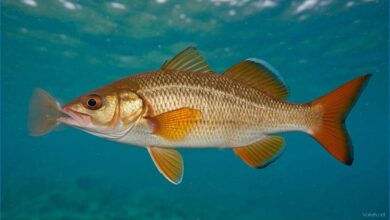
Palia fish – features and secrets of keeping this amazing aquarium fish

In order to successfully contain fish palia it is necessary to provide it with suitable conditions. This fish prefers dense plants and shelters where it can feel comfortable and safe. Provide an aquarium of at least 100 liters with good filtration and aeration. The water temperature should range from 24 to 28 degrees Celsius, while it is important to maintain stable parameters.
Content of the article:
Palia is an omnivorous fish, and its diet has become the most diverse if it includes both plant and animal feed. Successfully suitable quality granules, dry feed and feed based on seafood. Do not forget to refuse to overeat, as it negatively affects your health. Proper nutrition will ensure its activity and bright color.
Pay attention to the environment. Palia usually thrives with peaceful fish, but it is best to avoid aggressive species. Interestingly, they show curiosity about the surroundings, actively exploring the aquarium. Provide enough space for swimming and shelter so that the fish can feel comfortable and safe.
Optimal living conditions for Palia fish in the aquarium
The water temperature in the aquarium should range from 24 to 28 degrees Celsius. Install the heater to maintain a stable temperature, avoiding sharp fluctuations.
It is important to maintain a pH level in the range of 6.5-7.5. Regularly check water parameters using testers to avoid deviations. Equip the aquarium with a filter to maintain the cleanliness and aeration of the water.
Oxygen and water quality
The oxygen level should be sufficient, so use a compressor for aeration. Plant live plants, they will not only provide additional oxygen, but also improve the aesthetic appearance of the aquarium.
Stable water conditions are not only good health, but also the long life of your pets. Perform partial water replacement once a week, replacing up to 20% of the total volume.

Neighborhood and space
Palia prefers in addition to comfortable space also present neighbors. The minimum aquarium volume should be 200 liters. Remember compatibility when creating a diverse company.
Create shelters with stones, cakes and other decorations. This will allow the fish to hide and reduce stress. Plant height is also important. use both high and low to create a comfortable environment.
Following these recommendations, you will ensure your Palia fish the ideal conditions for life and growth. Keep a close eye on its behavior and dynamics to respond in time to possible changes.

Ration_nutrition_for_fish Palia: what_is_important_to_consider
Feeding frequency
Feed the fish twice a day, giving them as much feed as they can eat in 2-3 minutes. This will prevent overeating and contamination of the aquarium. At the same time, on days when the fish look low, you can arrange one day of fasting a week.
Age Accounting
Young fish require more frequent feeding and may receive a variety of feeds to maintain growth, while adult fish may well manage a less varied diet. Make sure that the menu contains everything necessary to maintain the health of the aquarium patrons.
Compatibility with other species: who should be considered for content near Palia
Palia thrives well with peaceful and fairly large fish. Let’s look at the most suitable species.
Guppy: These small fish will perfectly complement the aquarium population and will not pose a threat to Pali.
Neons: Bright and active, create good contrast and harmony in the aquarium, relax with Palia.
- Swordfish: These fish have similar storage conditions and can coexist in the same aquarium.
- Antistrus: These catfish will help maintain the cleanliness of the aquarium and will not conflict with Palia.
Neighborhood with aggressive species, such as cichlid, that may threaten peaceful fish should be avoided. A great idea would be to add a small amount of larger fish without aggression, such as:
Tetras: These peaceful fish will occupy the upper layers of water.
- Platids: Just like guppies, they will coexist well with Palia.
It is important to monitor the behavior of fish and the necessary conditions for comfortable coexistence in a customized aquarium. Pay attention to the behavior and pay attention to the primary needs of each species.