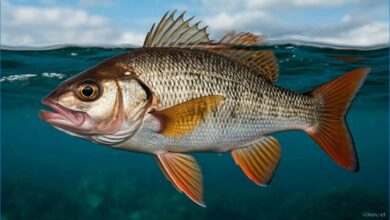
All about Lenok fish – habitat features and fishing methods in different bodies of water

Lenok is a real find for lovers of fishing, given its interesting habits and ubiquity in freshwater waters. Knowing some key points can greatly increase the chances of a successful catch. This fish prefers clean, cold rivers and fast-flowing lakes, and also feels great in areas with rocky bottoms.
Content of the article:
Pay attention to the fishing time: the line is most active in the morning and evening, which makes these moments ideal for fishing. Use baits that mimic natural food – insects or fish – to attract the attention of this smart and cautious fish.
Lenox is distinguished by its unique color: body from gray to steel shade with characteristic dark spots. This not only makes it aesthetically appealing, but also provides good camouflage in its natural habitat. The ability to spot it in the water is a separate task for fishing.
Manage your route along the river by choosing the right locations. Lenox prefers deep pits and areas with plenty of vegetation where it can hide from predators. Using the right tactics and knowledge about the behavior of this fish, you can achieve impressive results in fishing.
Ecological_habitat_conditions_of_fish_and_their_influence_on_behaviour
Lenok prefers clean, cold waters of rivers and lakes with fast flow and high oxygen content. These conditions promote his active lifestyle and help maintain the necessary level of metabolism. High temperatures and contaminated reservoirs can negatively affect the health and behavior of fish.
Temperature modes
Water temperature plays a key role. Lenok prefers temperatures from 10 to 15 ° C. When the temperature rises above 20 ° C, it becomes less active, it becomes more difficult to catch it. In such conditions, fish are more often hidden in shelters, for example, under cockroaches or in the growth of aquatic vegetation.
Oxygen balance
Good aeration of water increases the activity of the loop, and the lack of oxygen causes it to go deeper and quieter areas. For successful fishing, it is recommended to choose the morning and evening hours when the oxygen level is higher and the line is on the surface in search of feed.


Tactics catch the line: selection of gear and bait for successful fishing
Light and sensitive gear is best suited for fishing. It is recommended to use dumplings 2.7-3.6 meters long with a test of up to 15-20 grams. Such spinnings allow you to feel good, especially in clean water, where the ribbon is careful.
Coils choose size 1000-2500. They will provide sufficient power and smooth operation. The forest should be used monofilament diameter 0.18-0.25 mm or braid within 0.10-0.12 mm. Knitting is preferred because it has high sensitivity and low stretch.
When choosing baits, focus on the activity of the fish and the time of year:
In the spring period, use sparkles and spindles of bright colors (for example, yellow, green).
In the summer, wolves come with a realistic game, preferably in the form of a bat.
In autumn, jig-baits that mimic small fish are effective.
When catching live fish, use a small fish, such as a raft or herring. Hanging the liver on a thin hook, hang it to a depth of 1-2 meters to attract the attention of the ribbon.
Fishing tactics depend on the season and the place of fishing. On hot days, focus on the morning and evening hours. A weak but constant flow of water reduces the activity of the loop, so choose areas with fast flow and shelters.
Don’t forget to be careful. Lenox has good vision, so movements should be careful. When conducting the lure, try to alternate speed and pauses to make the game more attractive.
Seasonal_changes_in_the_activity_of_the_line: when and where it is best to catch
Spring season
From the end of April to May, the lentil actively moves to spawning grounds. It is best to look for places with flow, especially near pockets. Open sections of rivers with underwater structures will be the most productive. baits at this time choose from light fleas or wafers, imitating insects.
Autumn season
September-October is the time when the lentil increases its activity again before winter. Stay in places with deep pits near the roller coasters. The warm water that has left the surface promotes the movement of the fish to the deeper layers. Larger lures, such as large swinging glitters and jig-heads, will fit here.
During the period of active glue do not forget about the weather conditions. Cloudy days or light rain increase your chances of success. But in clear weather, prefer early morning or late evening fishing. Taking all these factors into account, fishing can bring unforgettable moments and excellent results.