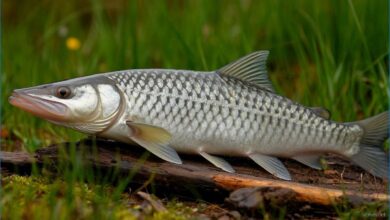
Crucian carp habitat biology and tips for catching this fish

Karas is not just a fish, but a real find for lovers of fishing in reservoirs. Studying it, it is worth paying attention to the many features that make it one of the most popular fish for fishing. Karas is distinguished by a variety of shapes and colors, which sometimes makes it difficult to define it. So, you can find both gold and silver pencil, as well as various intermediate options. These differences are due to habitat and genetic factors.
Content of the article:
Karasi prefer standing or slow-flowing waters, often living in ponds, lakes and rivers with rich vegetation. They choose places with sunken shrubs and shrubs where they can hide from predators. If you plan on fishing, choose the morning or evening hours when corals are most active. A variety of baits can be used at this time, including worms, dough and butterflies.
Knowing where to look for this fish, and what conditions it likes, you can significantly increase your chances of a successful catch. It is also important to keep in mind that cod is well caught even in cold water, making it an excellent fishing spot in any season. By following these recommendations, you will not only be able to better understand the customs of punishment, but also get the most out of the fishing process.
All about fish punish: features and habitats
Punishment has a number of unique features. It is able to adapt to various conditions, including low oxygen content in the water. The appearance of this fish is also interesting: its body can be golden, green or gray, and the fins are often painted in bright tones.
Fish is a fish. Its diet includes insects, worms, as well as plant components. This makes it an interesting object for fishing enthusiasts, as it can be caught on a variety of baits, including dough, bread and plant baits.
Winter hunting requires a special approach. At this time, the fish becomes less active and hides deep near shelters. You can catch it on the bat, using live or artificial baits.
Karas breeds perfectly in warm shallow waters. Germination usually occurs in May and June, when the water warms to 18-20°C. During this period, you can observe the active behavior of the fish, which facilitates their catch.

If you want to catch a big whale, be patient and choose the right time – early morning or evening. Keep in mind that the tick can be affected by weather conditions: it is best to tick on cloudy days with little clarity.
Anatomy and behavior punished: what you need to know for successful fishing
Study the structure of the punishment body to organize fishing as effectively as possible. Karas has a wide, round body that allows it to maneuver in algae and shelters. Pay attention to its fins: they are short and flexible, which makes the fish more mobile in narrow areas of water bodies.
Anatomy punished
- Eye: Karas has well-developed eyes that allow it to navigate in muddy water and find food.
- Mouth: Portable mouth allows you to capture a variety of food, including frozen and live insects, as well as vegetation.
- Chewing: It has a small penalty, which provides protection, but at the same time helps to adapt to different conditions.
- Floating Bubble: Allows the carcass to adjust its buoyancy, which helps to stay at the desired depth.
Behavior punished
Karasi is active in the morning and evening. At this time they are looking for food and are in the upper layers of water. In the cold months, the carassies become less active and move to depths where the temperature is more stable.
Karasi prefer standing or slowly flowing waters with vegetation. Use this knowledge to choose where to catch. Packing seedlings with a vegetable flavor or dusty balls can greatly increase the chance of a successful catch.
To make contact with the fish, try to make discards carefully, which will prevent fright. Observe the behavior of the fish: she likes areas with shelters – turtles or algae. It is also a place where she hunts for her prey.
Use these recommendations to improve the efficiency of cod fishing. Knowing the anatomy and behavior of this fish will help to formulate a fishing strategy that will ensure a good catch.

Best aquariums for catching cod: where to find this fish
1. Lakes and ponds
Lake Seliger is famous for its rich biodiversity, including the presence of large coral reefs. Freshwater ponds, such as the pond on the Oke River, also provide suitable conditions for fishing. Here it is easy to find places with shallow and bulky vegetation, which is especially attractive to the punishment.
2. River
In rivers, karas can live in sinks and near the coastline. The Volga River, in particular, has many areas where it is possible to successfully catch bats. Look for depths of no more than 1-2 meters with the presence of roots or vegetation. Also pay attention to changes in the flow and places where the river does not flow too fast.
Places to catch cod: pay attention to reservoirs with abundant vegetation, where cod likes to hide and look for food. It is good to choose a time after the rain or on warm sunny days when the fish is activated and prefers to come to the surface in search of food.
Seasonal_change_in_habitat_punished: when and how to catch
In summer, the tormentor seeks refuge among the aquatic vegetation in search of food. At this time, it can be caught in the bays and near underwater islands, along coastal reefs. Bulk hunting using bright flies will give the result on warm days. Use lightweight equipment to increase sensitivity.
Autumn: hunting for karya
With the arrival of autumn, the carp actively feeds, saving strength before winter. Fishing is desirable in October, when the water temperature varies between 10-12 ° C. It is important to discover places with submerged vegetation and shrubs. Use a live plant, such as a worm or small fish. This is the time when carp equipment will show its effectiveness.
Winter: specifics hunt
In winter the punishment goes deep and loses activity. Ice fishing is possible, but requires patience and the right choice of location. Artificial baits work best during the warm-up period when fish become more active. Use winter frogs and keep track of the ice for your safety.