
All about catfish – characteristics, habitat and fishing tips
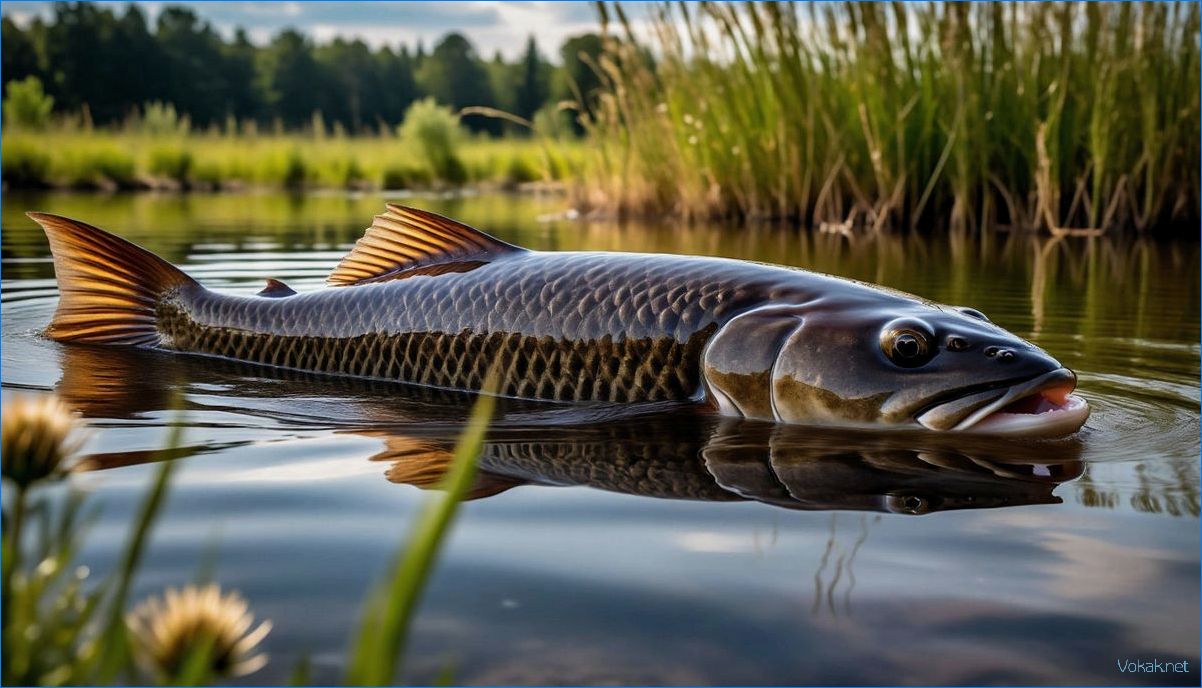
Fishes are not only large and strong fish, but also amazing creatures capable of attracting the attention of both aquarists and fishermen. These fish have unique characteristics that make them popular for aquariums. They can reach impressive sizes, depending on the species, and have interesting behavior that makes observing them fascinating.
Content of the article:
Most commonly, catfish can be found in freshwater bodies such as rivers and lakes, but some species also live in saltwater. It is important to keep in mind that cats prefer secluded places with good conditions for shelter, which is necessary to provide them in the aquarium. The conditions in captivity require attention to the parameters of water, temperature and feeding to make the fish feel comfortable.
When keeping cats should take into account their habits and needs. The choice of aquarium, soil and decor affects the health and stress resistance of fish, so it is important to create conditions as close to natural as possible. Proper feeding and regular water quality checks will ensure a long and healthy life for your caretaker. Continuous education and research will help you enjoy the process of caring for your catfish, making the content of these fish an exciting hobby.
Physical characteristics and species of soma
The fish has unique physical characteristics that make it one of the most interesting representatives of freshwater ichthyofauna. The body of the soma is long and massive, with smooth skin, often covered with mucus. His head is wide and his lips full, allowing him to capture prey effectively. The number of jaw sticks varies depending on the species, which helps the catfish adapt to different conditions of the aquatic environment.
The size of the soma is also impressive. The average length of these fish is from 80 to 150 cm, but some specimens can reach 2-3 meters and weigh up to 300 kg. The color of the soma varies from gray to brown, often with spots, which helps it camouflage on the bottom. It is important to note that the soma can be easily distinguished from other fish by its long fins, which perform the function of touch.
Among the main species of catfish can be distinguished: European catfish (Silurus glanis), which is found in the rivers and lakes of Europe; Electrophorus electricus, capable of generating electrical discharges; and channel fish (Ictalurus punctatus), popular among fishermen in North America due to its meat. Each species has its own characteristics of behavior, habitat preferences and feeding requirements.
For the successful content of the fish in the aquarium, it is important to take into account its physical characteristics. This includes providing enough space for swimming and shelter, as well as maintaining optimal water conditions. Following all the recommendations will help you create a comfortable environment for these amazing fish.

Natural habitat of fish in rivers and reservoirs
Somas prefer the freshwater of rivers, lakes and ponds, where they find shelter and enough food. They love the deep places and swamps of roaches, which serve as an excellent protection and hunting spot for them.
Conditions
Somas live in slow-flowing bodies of water. They need areas with a loose bottom and vegetation where they can hide from predators and wait for prey. Clean and stable water with good oxygen levels is a key factor for their growth and health. The increased content of organic substances and the growth of aquatic vegetation also contribute to the comfortable existence of cats.
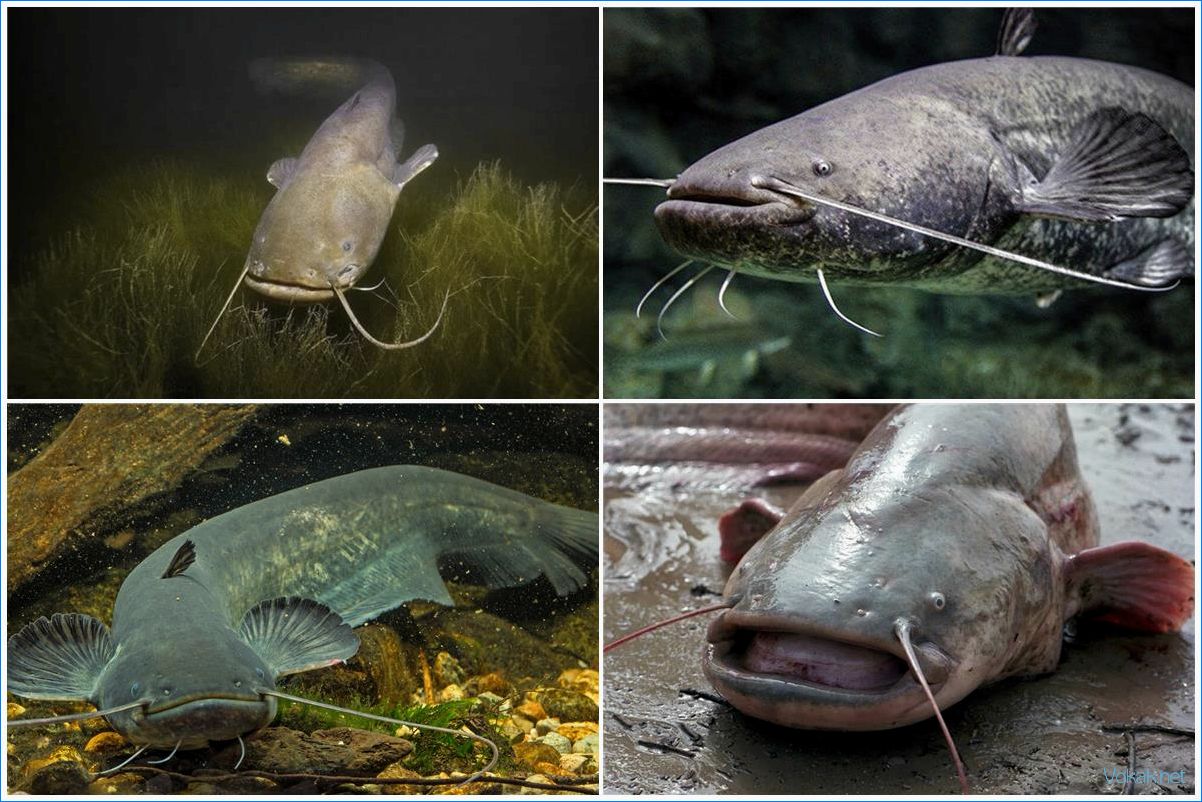
Temperature conditions
Somalis prefer warm waters with temperatures ranging from 18 to 26 degrees Celsius. During the winter, they can be at rest digging into the ground, allowing them to conserve energy during the cold season. It is important that there are no sharp temperature fluctuations in the reservoir, as this adversely affects their condition.
The environmental conditions in which the somas live have a strong influence on their behavior and habits. By maintaining the quality of the water and providing shelter, it is possible to create ideal conditions for the life of these amazing fish. Proper understanding of the habitat of catfish will not only improve the conditions of holding in the aquarium, but also protect them in natural bodies of water.
Fish content conditions in the aquarium and pond
Suma is best kept in aquariums with a volume of 200 liters or in ponds at a depth of at least 1.5 meters. This will give the fish enough space to swim and hide. It is necessary to take into account that the catfish grow to large sizes, so choose aquariums and ponds with stock.
Water parameters
The temperature of the water for the soma should be in the range of 22-28 ° C. Regularly check the pH level, which should be in the range of 6.5-8.0. Water hardness is optimal within 5-15 dH. Make sure you have good filtration and aeration, as cats are sensitive to oxygen starvation.
Aquarium or pond device
Fill the aquarium or pond with various shelters such as crabs, stones, and plants so that the fish can hide comfortably. Use a substrate thickness of 5 cm and lay it out of gravel or sand. It is important to properly organize the lighting: cats prefer the twilight, so avoid too bright light.
Monitor the level of ammonia and nitrites; Their content must be zero. Regular water changes will help keep it clean. Change 20-30% of the water every month to maintain stable conditions. In the ponds it is also recommended to provide shelter for the young and protection from predators.


