Grayling – European features of its habitat and popularity among fishermen

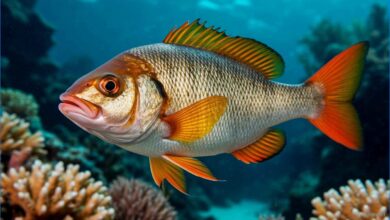
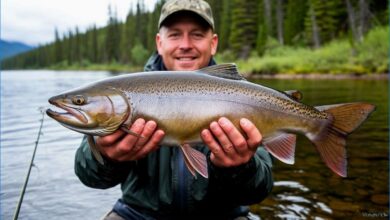
European Harius is a fascinating object for fishermen and nature lovers. This freshwater fish lives in clean, cold rivers and lakes, its hard access attracts people. Harius is distinguished by unusual colors – from silver to greenish-brown, which allows it to be perfectly masked among stones and vegetation.
Content of the article:
Hunting harius requires accuracy and thoughtful approaches. This fish prefers cold, fast-flowing waters, which makes it vulnerable to changes in the ecosystem. When choosing a place for fishing, look for areas with a fast jet, where harius most often hunts for its prey – insects and small fish. Use light baits and glitters to increase your chances of a successful catch.
The nutrition of harius is diverse. This fish actively hunts both insects and molluscs of other species of fish. This diet makes harius an excellent object for sport fishing. One of the main qualities of the harius is its ability to avoid sharks and strong currents, thanks to which the fish can maintain its population in its natural habitat for a long time.
Take care of the cleanliness of the water bodies where harius lives. The resistance of this species to environmental changes depends on the observance of natural conditions. Consider the importance of maintaining a healthy ecosystem for future generations of fish and fishermen.
Habitats and optimal conditions for fishing
European Harius prefers clean mountain rivers and fast flowing water streams with good oxygen saturation. Major habitats include rocky-bottom rivers and fast-flowing areas. It is important to pay attention to places with shelter: roaches, stones and vegetation provide the fish with the necessary safety. Often, harius is found in deep pits and at river turns, where the flow slows down.
For successful fishing, choose the morning and evening hours when the harius is active. The water temperature should be in the range of 10-18 ° C, as it is in this range that the fish shows the greatest activity. Use light utensils and artificial flies that mimic insects, which is especially effective during the spring and summer seasons. Fish in shallow waters and in places with exposure to light, where the fish comes to the border.
Watch the weather conditions: harius itches better in clear weather, and after the rain it is worth waiting for a while until the water is clear. Avoid fishing during strong winds. It is extremely important to remember to comply with the fishing laws and regulations in your region. This not only provides an opportunity to conserve natural resources, but also contributes to the sustainable development of the harius population.


Nutritional features and behavior in the natural environment
European harius feeds actively throughout the year, preferring plant and animal food. His diet includes insects, larvae, crustaceans and small fish. In the natural environment, harius often hunts insects that fall into the water, showing interest in the surface. Using his speed and dexterity, he performs quick throws, picking up the prey.
Food Preferences
In different seasons, the harius diet changes. In spring and summer, the fish hunts for larvae of flies and mosquitoes, and in autumn switches to larger insects. During the cold season, when access to food is limited, the harius slows down its metabolism and builds up fat stores, allowing it to survive in low temperatures.
Behavioral habits
Harius prefers to stay in clean, clear, fast-flowing waters. He often chooses areas with a rocky bottom where he can hide. Charius is characterized by steady behavior, especially at a young age. Individuals may migrate in search of food, but mostly they remain in their usual habitats. The social structure is also traceable: the elderly dominate the younger. In fishing conditions, harius is active in the morning and evening, which is a good time for fishing.
Methods of preparation and methods of preparation of Harius
The following algorithm can be used to prepare:
Clean Harius from dandruff, starting with the tail and moving to the head.
- Cut the abdomen and remove the insides. Wash under cold water.
- Cut the fins and tail if necessary.
The methods of cooking are diverse. The best cooking methods include:
- Baking: Harius is deliciously baked in foil with vegetables and spices. Use lemons and greens for flavoring.
- Hot: Fry the fillet in a pan with a small amount of oil. This will give the fish a golden crust. You can use bread from flour or sweets.
- Varka: Prepare ear or fish soup by adding potatoes, carrots and onions. This facilitates the assimilation of fish and gives a rich taste to the broth.
- Smoking: Harius is excellent for smoking, which makes its taste more saturated. Use a wood chip for smoking, preferably fruit trees.
Suitable garnishes for Harius will be potatoes, buckwheat or fresh vegetables. Spices play a significant role: black pepper, bran, lemon juice will add brightness to the dish. Also, honey and mustard can be interesting additions to marinades.
Prepared Harius retains its beneficial properties, so it is worth choosing methods that will help in this: baking and boiling are the most optimal for preserving nutrients.