How to catch luck by the tail? Bream fishing

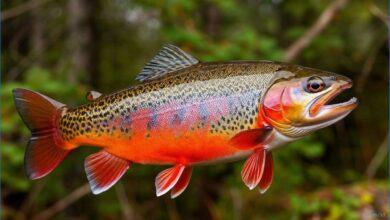
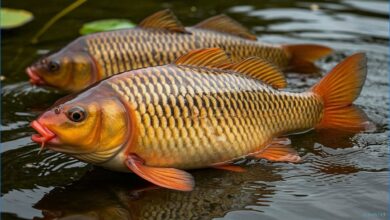
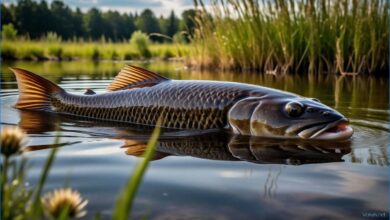
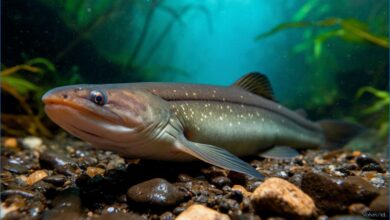
Large fish that prefer to live in flocks and have a fishing significance is called lentils. It can be found both in running rivers and in reservoirs. Fish living in the river can boast quite a large weight – about 4 kilograms, while the inhabitants of standing waters can reach large sizes. Small fish weighing less than 1 kg are called scammers.
Place catch lens
Catching lentils in standing water is more difficult, as the fish does not stand in one place and constantly changes the places of their stands. When moving, the fish can only stay in places with a large accumulation of aquatic vegetation. Given that the lentil loves to live in deep pits, it still comes closer to the shore for food. River specimen of this fish prefers washes with clay bottom, pits, recesses. Parking place of the lens is easy to find, as it still prefers not to go far from the algae growths, and in places with a leafy bottom they are plentiful.

An adult can be considered a fish reaching 5-8 years of age. By this time it has reached 30 centimeters. The mating period of the lens lasts a month, and begins when the water temperature reaches 13-17 degrees. Do not fish at a depth of up to 2 meters. The female lays eggs in the places of spring water spill directly on the plants. In winter, lentils, unlike other fish, are dormant. But as soon as the first melting water begins to penetrate under the ice, the lens begins to actively search for food. His diet includes leeches, moths, ticks, ticks and insect larvae. In the spring, the fish feed on creeps, worms or leeches.
Lens hunting period
With the onset of the hot season, the diet changes dramatically and invertebrates give way to aquatic vegetation, namely algae. With a significant decrease in temperature, lentils begin to feed on shellfish.
If you want to catch a good specimen, remember that in the spring and summer, fish prefer to eat in the bottom layers. And can get close enough to the shore. This phenomenon can be observed during strong winds and in the presence of waves. In all other cases, it is worth trying to find a river lens in a pit at a depth of at least 2 meters. If fishing from a boat, it is necessary to use an echolote, otherwise a good fish should not be hoped for. It will be better to find holes up to 15 meters deep. In winter, the lens is passive and lies at a depth of more than 6 meters. It is practically impossible to catch him.