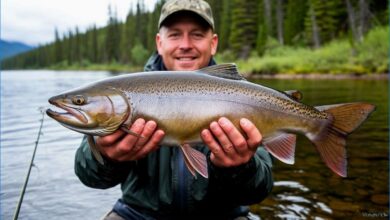
Unique features of carp fish and its habitat in nature

The carved fish, or the common carved fish, stands out among other marine habitats due to its unique characteristics and lifestyle. This species prefers warm waters, which makes it common in the Black and Azov seas. The cut distinguishes the body with an elongated shape and characteristic color, which varies from silver to greenish blue. This fish can reach a length of up to 70 cm, which makes it noticeable in its habitat.
Content of the article:
Her behavior also deserves attention. The carcass is an active predator that hunts small fish and various marine invertebrates. In addition, it often forms small herds, which increases the chances of success in the hunt. The best places to observe the carving are in coastal areas, where it willingly spends time among rocks and underwater reefs.
If you plan on fishing, choose the morning or evening hours when the cutter is most active. Due to its quick reaction and ability to hide, it is an interesting challenge for fishing. When considering the baits, it is worth paying attention to the sparkles and small wafers, which will be able to attract the attention of this predatory inhabitant of the seas.
Fish Cut: features and habitats
Features
Cuttings live in coastal areas of warm seas, preferring shallow water areas with rich underwater vegetation. These fish can reach a length of about 30 cm. Their color varies from light silver to dark blue, which helps them to mask themselves among algae and stones. Cuttings actively hunt for small fish and crustaceans, showing high agility and speed in swimming.
Habitats
European reservoirs, such as the Mediterranean and Black Seas, serve as the main habitats for cuttings. They prefer places with a sandy or rocky bottom where they can hide from predators. Cuttings are often found in coral reefs, which contributes to their safety and abundance of food. In addition, they can migrate in search of better conditions for life and reproduction, making their behavior even more interesting to observe.
Physical_characteristics_of_the_cut_and_their_meaning_for_the_ecosystem
The cutout reaches a length of up to 50 cm and weighs up to 2.5 kg. His body is elongated and compressed with a characteristic notch on the upper jaw, which promotes an exclusive way of eating. The cutter is small and smooth, allowing the cutter to be easily maneuvered in an aquatic environment.
The body shape of the cutter serves for adaptability, allowing it to respond quickly to changes in the environment. It has strong, sharp teeth that are used to eat algae and small invertebrates. This makes it a significant component in the ecosystem, helping to control algae growth. The stabilization of algae helps maintain the purity and transparency of water, which in turn affects the ecosystem as a whole.

The ability of the cutter to adapt to different environmental conditions (low salinity and the presence of shelters) also contributes to its spread. This makes this fish not only an object of catch, but also a regulator of ecosystem processes in coastal waters.
The motor activity of the cutter allows it to effectively hunt and avoid predators while maintaining balance in the ecosystem. And its reproduction in spring and summer contributes to the maintenance of the population and biodiversity in the local waters.

Nutrition Ration: what_it_eats_and_how_it_affects_its_environment
The cuttings are largely dependent on their diet, which consists mainly of crustaceans, shellfish and algae. His food preferences determine not only the biological aspects of life, but also his interaction with the environment. The carcass is actively looking for places with a large accumulation of feed, in particular on the seabed, where crustaceans and other small plankton live.
Nutrition and ecosystem
Cutting ratio helps to maintain balance in the ecosystem. By eating crustaceans, it controls their population, which in turn helps prevent the excessive growth of some species. This regulation is important for the health of marine ecosystems, as excessive accumulation of certain organisms can adversely affect the condition of the seabed and vegetation.
In addition, the cutter is able to eat algae, making it an important link in the food chain. This not only affects the flora, but also makes algae less competitive in the fight for light and space, creating a more diverse environment for other organisms.
Feed habitat and availability
During the period of active reproduction, cuttings are moved to areas with plenty of feed, which determines their habitat. The conditions in which they live directly affect their diet. Places with high concentrations of plankton and crustaceans are more comfortable and easier to find food, which contributes to their success in reproduction and survival.
Thus, the diet of the cutter not only determines its eating habits, but also has a significant impact on the dynamics of the ecosystem in which it lives.
Geography of distribution of cutout: key regions and living conditions
The carcass lives in warm and temperate waters, preferring coastal areas. The most common habitats include:
- North Sea – here the cut is found in the waters near the coasts of Norway and Denmark.
- Baltic Sea — present in the waters of Lithuania, Latvia and Estonia.
- Black Sea – common in the waters of Bulgaria and Romania.
- The Mediterranean Sea – inhabits the southern coast of Europe and the east, including the coasts of Greece and Turkey.
Cutting preferences also apply to certain environmental conditions. He chooses:
-
- Warm water with a temperature of 15 to 24 degrees Celsius.
- Freshwater coastal areas with high water transparency.
Plots with abundance of underwater vegetation, where it can find protection and food.
Areas with relatively calm water, less likely to fall under strong currents.
Stable conditions in these regions promote reproduction, allowing the cutter to adapt to changes in the environment. In addition, coastal areas provide the necessary feed base and suitable spawning sites.
The study of the habitats of the carving helps in the conservation of species and understanding the dynamics of marine ecosystems. It is necessary to remember the importance of protecting these unique regions for the future habitat of the carved.