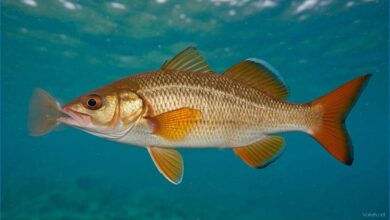
Find out everything about goby fish, its habitat characteristics and cooking methods

Bulls attract attention with their unusual shape and active behavior in their habitats. These fish prefer shallow waters, often found in warm marine areas, where they are guided around rocks and in the depths of the sandy bottom. If you are interested in their ecological role, it is worth noting that Bulls actively feed on invertebrates and small fish, participating in the food chain of their ecosystems.
Content of the article:
Pay attention to species diversity. There are many representatives that differ in color and occasion. For example, the strawberry bull is known for its ability to change color depending on the environment, which helps it hide from predators. In addition, you can meet Bull Stone, which is beautifully masked under sea stones, which makes it virtually invisible.
Bulls themselves are often united in small herds due to their social behavior. These fish prefer to live in tropical and subtropical waters, but some species can be seen even in colder regions. Exceptional adaptability allows them to successfully survive in a variety of conditions, making them an object of interest for researchers and fishermen.
Features of appearance and occasion of bull
The bull has a characteristic body shape, short and wide body, which gives it stability at the bottom. The length of this species on average reaches 10-15 cm, but individual individuals can grow up to 25 cm. The color of the fish varies from light brown to gray, with spots that help hide in the natural habitat.
The head of the bull is quite large, with wide, squeezed jaws on the sides, which are ideal for grabbing food. The upper jaw is stretched forward, which allows you to effectively catch small crustaceans and plankton.
Bulls actively move down the bottom, using their fins for maneuvering. They often remain motionless, bursting into sand or clay, allowing them to hide from predators. This masking tactic is very effective, as bulls remain invisible due to their coloring and ability to change the position in the bottom deposits.
There are several types of bulls, each of which has its own peculiarities of behavior. For example, some of them prefer a solitary lifestyle, while others form small groups. It is important to note that bulls are active mostly during daylight hours, which is due to their hunting activity.

These fish also communicate with each other through various sounds and gestures, which helps them establish territory boundaries and attract partners. The emotional background of the bull’s ride makes it an interesting object to observe and study.

Natural_habitats: where bull occurs?
Bulls live in the coastal waters of Europe, North America and Asia. Most often they can be found in shallow water areas, where the rocky or sandy bottom. They prefer areas with moderate currents and well-developed vegetation, thus successfully hiding from predators.
Some species of bulls, such as the sandstone bull, prefer the saltwater that inhabits the mouths of rivers, while others, such as the bull gorgon, are more common in freshwater and low-lying lakes. It is important to note that bulls have the ability to adapt to different environmental conditions, which makes them inhabitants of both ubiquitous and localized areas.
Bulls also often gather in large clusters, which becomes beneficial for hunting small fish and insects. They can be spotted among the seaweed, where they find shelter and food. It is important to know that most species breed in the spring when the water temperature rises, which also affects their migration routes.
The study of bull habitats helps to better understand their ecosystem roles and impact on the protection of water resources. Remember that each species has its own unique preferences, adapting perfectly to different living conditions. So, when planning fishing or research, consider the specifics of the terrain in which you are going to look for these amazing fish.
Ration_nutrition_bull_and_its_role_in_ecosystem
The bull prefers a varied diet that includes small invertebrates, crustaceans, molluscs and plankton. These organisms form the basis of its nutrition, as the bull carefully explores the bottom, using its hooves to search for food.
It is important to note that the bull is actively involved in the control of the population of small organisms, which helps to maintain balance in the ecosystem. By consuming crustaceans and shellfish, the bull prevents their excessive growth, which can adversely affect the environment.
The bull also serves as food for larger fish and seabirds. Its presence in the ecosystem creates a link in the food chain, linking microorganisms and large predators. This relationship underscores the importance of the bull in maintaining the health of marine ecosystems.
The underwater ecosystems in which the bull lives depend on its activity. The diet of this species plays an important role in the entropy cycle, ensuring nutrient processing and increasing the productivity of marine habitats.
Regular consumption of food contributes not only to the growth of the population of bulls, but also to the diversity of marine organisms with which they coexist. Thus, bull is an integral part of the marine environment that supports healthy underwater life diversity.