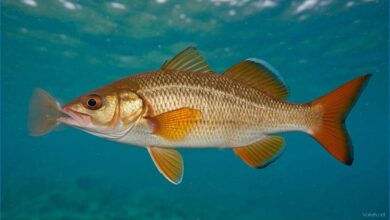
All about the char fish – features of appearance, habitat and fishing methods

The needle prefers clean, cold water with a fast flow. It hunts insects and small crabs, making it an important link in the food chain. By maintaining a balance in the population of aquatic organisms, the needle contributes to the maintenance of biological diversity. Without this species, many other ecosystem processes could be disrupted.
Content of the article:
As the main predator in its habitat, the needle affects the size and behavior of its prey populations. By limiting the number of small fish and invertebrates, it contributes to improving the quality of water bodies and creating conditions for the successful reproduction of other species. Thus, the protection of the needle and its habitats becomes an important task for the sustainable development of the ecosystem.
Fish Needle: Features and Place in the Ecosystem
Role in the Ecosystem
The needle occupies an important place in the ecosystem hierarchy. It is a predator that feeds mainly on small fish and invertebrates, which helps control the populations of these organisms. On the other hand, the needle itself serves as food for large predators such as foxes, hawks or white bears. The conservation of golden whale populations directly affects the health of the aquatic ecosystem where it lives. The decline of this species can lead to adverse consequences, including habitat imbalances.
Interestingly, needle reproduction occurs under specific conditions. They prefer to breed in clean, cold waters, using a rocky bottom for this. The prevention of river pollution is a key moment for the successful spawning and survival of the young. Protecting the breeding sites will help maintain the abundance of this important species.
Environmental Important
The needle is an indicator of the state of the aquatic ecosystem. Its disappearance can signal industrial pollution or deteriorating water quality. Conservation of the needle habitat and control of its population is at the heart of environmental initiatives. The involvement of local communities in the protection of natural resources will ensure the sustainable coexistence of man and wildlife, contributing to the protection of the unique species of needle.
Anatomy and behavior of the needle under natural conditions
The golet has a unique anatomy that ensures its success in cold waters. Its body is stretched out, which reduces hydrodynamic resistance when swimming. The comb is small, smooth, which allows easy maneuvering in a variety of conditions.
The needle’s swimming bubble optimizes its buoyancy, allowing it to maintain neutral buoyancy. This positioning aid makes it an effective predator, allowing it to stay at different depths. The oral cavity, dotted with sharp teeth, is ideal for catching slippery fish and insects.

The question of the behavior of the needle is on par with his anatomy. The fish prefers an active hunting style, which is manifested in its morning and evening activity when it goes hunting. The needle hides among natural shelters such as algae and stones to avoid being noticed by a potential victim.
He leads a steady lifestyle, which greatly improves the chances of successful hunting. Goalkeepers communicate with each other through visual cues and color change, which helps maintain communication in the herd and avoid predators.
During the period of spawning, individuals gather in certain places where the water is cleaner and less strong flow. After spawning, the fish return to their usual hunting sites. This sociality is manifested in their habits and pastimes, which allows Goliaths to maintain a balanced ecological niche in their habitat.

Role of needle in the food chain of reservoirs
Goletsa occupies an important place in the food chain of lake ecosystems. This predator not only controls the population of small fish, but also serves as food for larger predators such as whales or white-tailed eagles. This function helps to maintain balance in the ecosystems of water bodies.
Tropical structure
Goletsa actively hunts trout, necklace, as well as rodents and insects. Its presence prevents the dominance of one species, which has a positive effect on biodiversity. The needle’s ability to survive in cold water and its predatory propensities make it a dominant species in northern waters, where its competitive advantages are more pronounced.
Interaction with other species
The needle, thanks to its ecology and behavior, takes part in a complex network of interactions. It not only consumes, but is also the target of hunting for larger predators. This creates a dynamic network of dependencies that guide the flow of energy and nutrients in the ecosystem. Changes in the number of needles can have significant consequences for other species, as the size of its population is directly related to the availability of resources and the quality of its habitat.
Threats to_goal_and_measures_for_his_protection
Goat conservation is at risk due to various factors such as water pollution, climate change and overfishing. These aspects require attention to increase the chances of survival of the species.
Main Threats
- Water Pollution: Industrial sewage and agricultural chemicals reduce water quality, adversely affecting needle health.
- Climate change: Rising water temperatures can change the migration pathways and spawning sites of needles.
- Overfishing: Unregulated fishing leads to population decline.
- Hydraulic structures: Dams and dams prevent the migration of fish, disrupting their natural pathways of movement.
- Invasive species: Competition for resources with introduced species in the ecosystem can reduce the number of needles.
Protection measures
- Control of catches: Setting quotas and limits on needle catches, as well as monitoring populations to prevent depletion of resources.
- Water treatment: Organization of activities to clean rivers and lakes from pollutants and waste.
- Creation of reserves: Establishment of protected natural areas, where fishing is prohibited, allows to restore the population.
- Awareness-raising: Information campaigns for local residents about the importance of preserving the needle and the ecosystems in which it lives.
- Research: Support scientific research to study needle ecology and develop effective protection strategies.
Applying these measures will help ensure the sustainability of the golden population and preserve its place in the ecosystem for future generations.